
Why the “Training vs Networking” Debate Is a Scam
How to STAND OUT from Other Actors and Get Casting to Take Notice
Most actors aren’t stuck because they lack talent. They’re stuck because they’re invisible to the people who make decisions. After coaching hundreds of actors, I’ve seen the same pattern over and over again. The problem is structural, not personal. When an acting career stalls, it usually comes down to missing skills, industry proof, real connections, or clear knowledge of how the system actually works. I call this the S.I.C.K. framework, and once you understand which piece is missing, everything changes. Instead of submitting into the void and waiting for permission, you can start building real access, creating opportunities, and positioning yourself as someone casting directors actually remember.
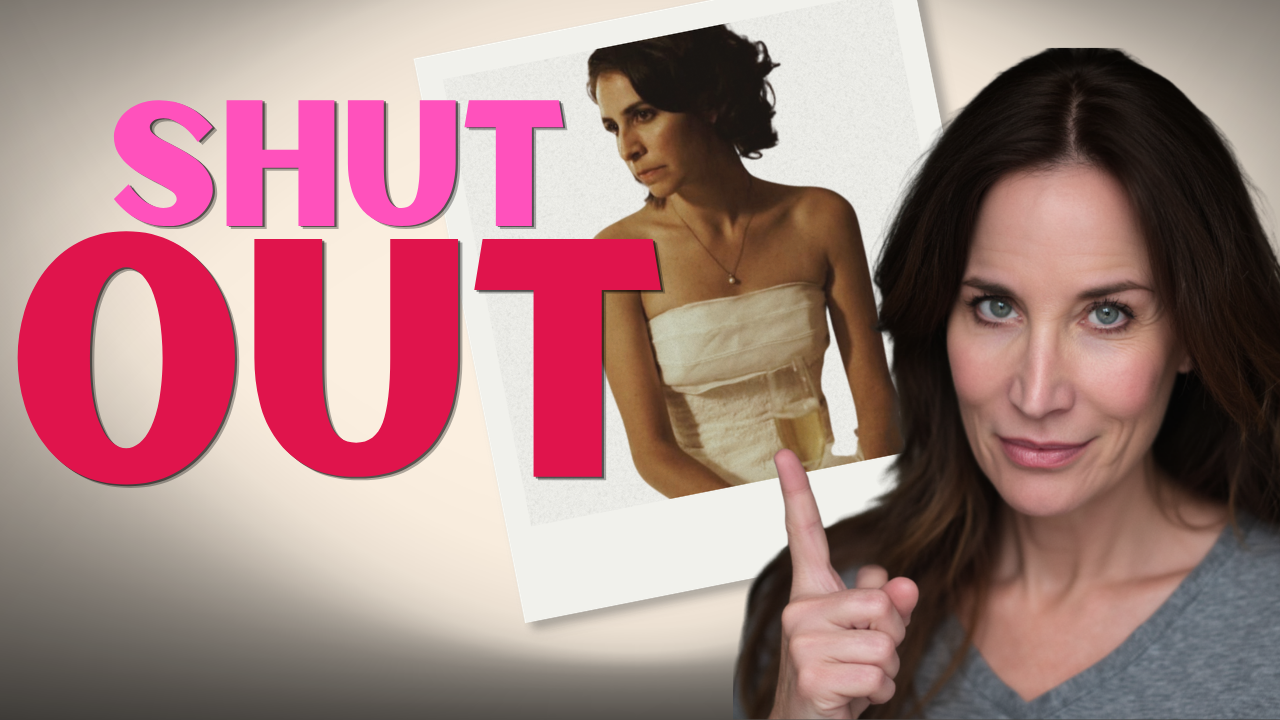
This Actor Got Ignored for 5 Years… Then She Flipped the Script
I Was Paying a Career Tax on My Acting Career and I Didn't Even Know It
I Was Paying a Career Tax on My Acting Career and I Didn't Even Know It
I was 47, relaunching in Munich, no showreel, no contacts, and a voiceover career that paid the bills and went absolutely nowhere near where I wanted to go.
So I started looking at the survival job conversation differently. Not the hours thing -- everyone talks about the hours. What's actually eating your career is everything else.
Your energy. Your identity. Your network. Every "so what do you actually do for money?" chips something away. Your coworkers count toward the five people you spend the most time with. And if none of them can hire you or introduce you to someone who can, that's not neutral. That's a drain.
I started calling it the career tax. And the thing I figured out -- the part that changed everything -- is that the survival job isn't the problem. It's the symptom. The real problem is the gap between where you are and where you want to be. The job just fills the space where that gap lives.
What I did about it is what this post is about.
Actors - Nobody Is Going to Discover You
I was 47, in Munich, American, no current showreel, no industry contacts, and honestly no clue how the European industry even worked. I'd been a working actor in Chicago before I moved, SAG was even paying my health insurance, which if you know, you know. And then I met a hot German guy and my whole life did a 180.
Sixteen years later, my son didn't want to hang out with me anymore. Weird, I know. But it gave me time to think about what I actually wanted. And what I wanted was my acting career back. Better than before.
The old advice was still out there: headshots, classes, submissions, networking events, wait for someone to notice you. I was almost 50. I didn't have time for that to work.
Here's what nobody tells you about that advice — it's not entirely wrong. And that's exactly what makes it so dangerous. You can do every single thing on that list and still watch years disappear without anything actually changing.
What I was missing wasn't talent. It wasn't effort. It was access. And those are completely different problems with completely different solutions.
What happened next changed how I think about building an acting career entirely, and it's not what I expected.
Being a Real Actor in the Age of AI
AI is changing the acting industry fast. Here's what it can't replace, why human actors just got more valuable, and what to do about it.
I Spent Years Saying "Nothing's Working." Then a Chatbot Showed Me Why Nobody Could Help.
I catfished ChatGPT as a stuck actor with a very specific prompt. Twenty minutes later, it described the entire philosophy behind my coaching method without knowing who I was. Here's why specificity changes everything.
R.I.P. Hollywood (And Why That’s Good for Actors)
Hollywood is dead. And honestly? That's good news for actors.
The old system, the one that had you waiting by the phone, feeling small, hoping someone would finally notice you, that's done.
But the lies? Those are still alive. Three of them, specifically. Three ideas that are quietly keeping actors stuck, tired, and building careers that don't last.
In this post, I'm kicking all three to the curb, and showing you what to do instead.
Casting Directors Don't Want Versatility—They Want This
There's a belief most actors pick up early. The more roles I can play, the better my chances.
It sounds reasonable. But in practice, it does the opposite.
When you try to show you can be everything, casting directors don't see versatility. They see uncertainty. They can't tell where to place you — so they move on.
The question isn't how do I show more range? It's how do I get clearer?
Because clarity is what builds trust. And trust is what gets you placed.
How Actors Build Real Relationships with Industry Gatekeepers
Most actors are doing everything they were told to do and still feel invisible. They train, they network, they show up, and somehow nothing changes. The problem isn’t talent or effort. It’s access. Real access to the people who can actually hire you.
Traditional actor networking keeps you stuck at the bottom, hoping someone notices you. This approach flips that. Instead of chasing casting directors and agents, you learn how to connect at eye level by creating value, curating opportunities, and building real relationships inside your own market. When you stop waiting for permission and start collaborating, your skills, confidence, and visibility grow at the same time.
Why You’re Not Getting the Auditions You’re Ready For (And How to Fix It)
Most actors are doing everything they were told to do. Training, submitting, updating materials, checking boxes. And still wondering why nothing is moving. The problem is not effort. It’s direction. When you don’t decide where you want to go and how you want to be seen, you end up pairing yourself with projects, footage, and people that quietly work against you. Being intentional changes that. When your materials and your reputation are built together, you stop hoping to be noticed and start creating momentum. That’s how actors move from being forgettable to being chosen on purpose.
Actors Stay Invisible Because of This (Not What You Think)
Most actors don’t stay invisible because they lack talent or discipline. They stay invisible because they don’t have access. Not access in the “secret club” sense, but access to the people who actually make decisions. Casting directors, agents, producers. The industry keeps telling actors to train more, submit more, and wait longer, assuming someone is paying attention. But when no one sees you or knows what you can do right now, effort alone doesn’t move the needle. This is about learning how to build visibility and access on purpose, using what you’re missing as the starting point instead of the obstacle.
Acting Career Relaunch: How To Start Again After Years Away
If you’ve spent years taking care of everyone else and pushing your creative work to the side, you eventually hit that moment where you can’t ignore it anymore. The doubts show up fast — too old, too late, too far behind — but those gaps you’re staring at aren’t the problem. They’re the starting point. In this piece, I walk you through how I rebuilt my acting career from scratch at forty-seven and how you can use the same Curator Method to turn missing skills, missing access, and missing connections into the very things that move your creative career forward. It’s not about fixing everything. It’s about using what you need to build your way in.
Why Talent Isn't Enough Anymore
You can train, improve, and pour years into your craft and still feel like you’re standing outside the rooms that matter. Not because you’re not good enough, but because the old way of getting “discovered” doesn’t open doors anymore. In this blog, I talk about what actually creates access now — how visibility, connection, and the Curator Method let you build your own room instead of waiting at someone else’s door. If you’ve been wondering why effort hasn’t turned into opportunity, this will make the whole thing click.
Think You're Too Late To Start? Watch This!
You think you’re too late. Too old. Too far behind. But what if that’s the biggest lie the industry ever sold us?
The truth is, the world that rewarded twenty-somethings who could live on coffee and wait for a “break” doesn’t even work for them anymore. The game changed, and no one sent the memo.
This is for the midlife creatives who’ve done everything right—trained, networked, built the portfolio—and are still standing on the outside wondering what else they could possibly do. The answer isn’t more hustle. It’s access.
In this post, we unpack what really keeps talented people invisible, why being “too late” might actually be your secret advantage, and how to turn experience, clarity, and maturity into power.
You’ll see how this shift works in real life through stories like Kelly Moss, who stopped waiting to be picked and built what she needed from scratch. And you’ll walk away with a different question—not “am I too late?” but “am I ready to stop waiting?”
The REAL Cure for Imposter Syndrome (It’s Not Confidence)
Impostor syndrome isn’t a “confidence problem.” It’s an evidence problem. You can be wildly talented, work your ass off, and still feel like a fraud if all your growth is happening in the dark where nobody can see it. In this piece, I break down why “fake it till you make it” backfires, how to stop waiting for gatekeepers, and how to build your own rooms so you’re getting real training, real connections, and visible proof of your progress. If you’re tired of feeling like an outsider in the rooms that matter, this will show you how to dissolve impostor syndrome by building proof, not just pep talks.
It’s Not You-The Industry Doesn’t Work For Actors Anymore
The middle used to be where most working creatives lived: not famous, not starving, just running a sustainable creative career. That creative middle class is disappearing, and it is not because you are not good enough. It is because the old system depends on overwhelmed gatekeepers and a playbook that turns everyone into the same version of “professional.”
In this piece, I break down why the odds really did get worse for midlife creatives, and how you can stop waiting for permission, build your own access, and use the Curator Method to get paid to learn, build real relationships, and create a career that actually fits.
Why Your Brain Loves Sex, Drugs & Rock ’n’ Roll & What it Has to Do with Your Creativity
Creative breakthroughs don’t happen because you hustle harder or follow all the traditional advice. They happen when you stop trying to “breathe underwater” in systems that were never built for you and start creating the support you actually need. In this post, I share the Radiolab story that changed how I think about creative evolution, why so many talented creatives stay stuck, and how the Curator Method helps you build access, visibility, and momentum on your own terms. If you’ve ever felt like your career isn’t moving no matter how hard you try, this will show you how to turn your gaps into your next growth stage.
I Studied 100's of Failed Creatives (Here's Why 94% Fail)
A lot of talented creatives get stuck, not because their work isn’t good enough, but because they fall into traps that keep them running in circles. I’ve coached hundreds of people across different disciplines, and I keep seeing the same patterns show up again and again. This blog breaks down the six traps that quietly kill creative careers — things like investing in the wrong places, losing momentum, chasing the wrong kind of access, or waiting for permission. When you escape these traps and start building what you actually need, everything changes. Your work gets seen. Opportunities open up. You stop feeling like you’re starting over every time. And you finally get traction in the direction you want to go.
Over 40? Get Paid to be Creative and Create a Life You Love
You ever look around at the life you’ve built and feel that quiet shift inside, like something doesn’t quite line up anymore? Not because anything’s wrong, but because you’ve grown past the version of yourself who created it. That’s the in-between — the space between a life that works and a life that actually fits.
Most people get stuck there, not because they lack passion, but because they have nowhere to put it. You can see what’s possible, but you don’t have the structure to move toward it. And if you’re over forty, the feeling hits even harder. The clock sounds louder. Waiting starts to feel riskier than trying.
The real turning point isn’t finding a perfect map. It’s finding a compass. When you get curious, when you start asking the real questions — what do I want now, what no longer fits, what’s pulling me forward — you begin to see the first small step. And that step is usually enough to change everything.